
I am still looking in the four states that stayed in the search. Missouri, Kentucky, Arkansas, and the Mississippi hills. A listing outside that set has to be a better story. Plateau ground in Tennessee, or the coastal plain in North Carolina, can still get a look. The rest of those states are parked.
The first thing I notice is how long the ad has been up. A new listing can be ordinary. One that has sat for months usually has a reason, and the reason is rarely in the first paragraph. Access, a flood map, a title snag, or a price nobody local will pay. I do not treat time on the market as proof of a defect. I treat it as the thing I have to understand before I get interested. If the ad hides the date, I go find it.
Then I look at what they are actually selling. Deed acres are not the acres I can use. A barn, standing timber, or a house already on the place is not raw ground. The USDA number on the location post includes buildings, so a price under that average is not a bargain by itself. I want the acre I could put to work, and I want to know what is already sitting on it.
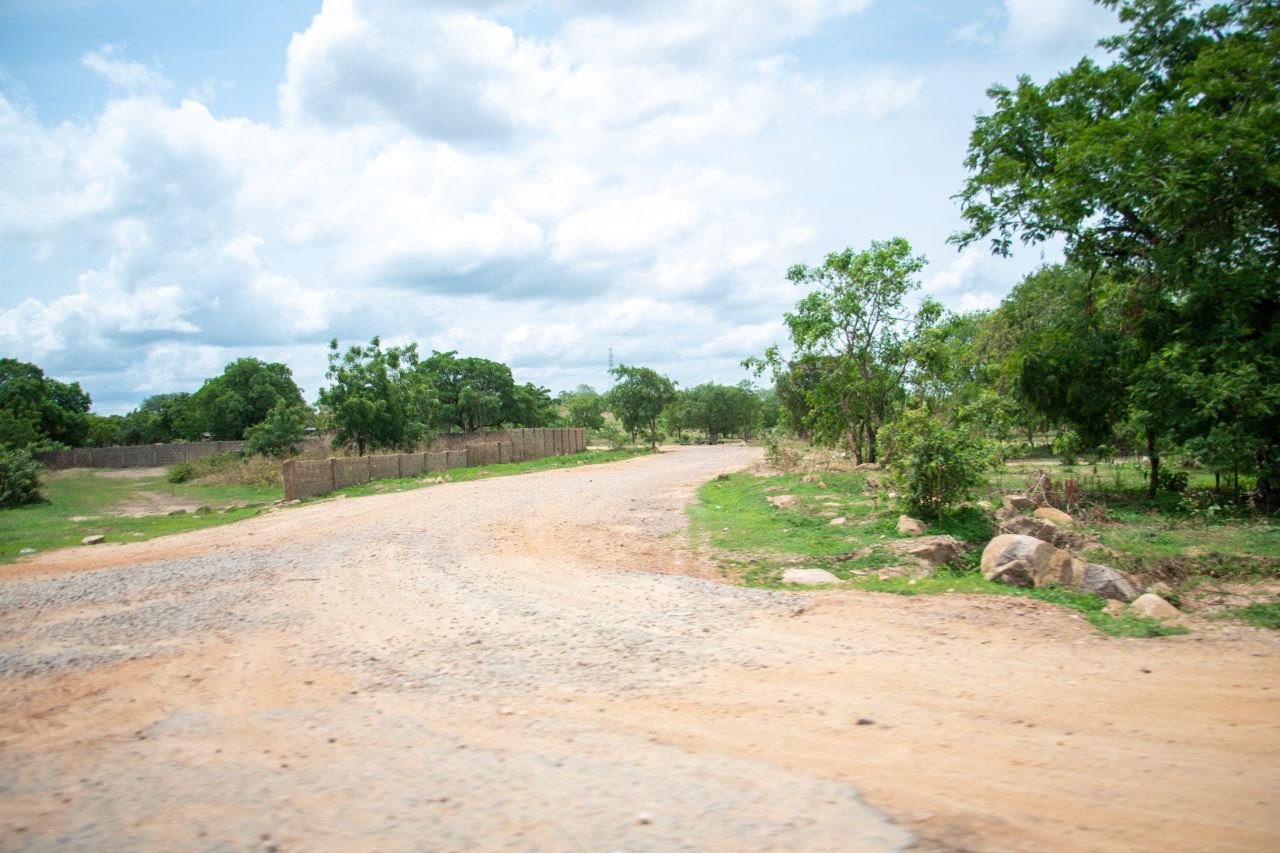
Access is where a lot of cheap hill listings fall apart. The road has to be on the deed, or written into a recorded easement. A track across the neighbor, a handshake, or a creek bed is not access. Eastern Kentucky and the Ozarks are full of this. The low price and a legal road are often not the same parcel, and I would rather know that from the ad than from a wasted trip.
Usable ground is the same kind of question. I need enough gentle acre for whatever the enterprise turns out to be. Not the whole deed. In the hills, the discount is slope. In the Delta, the discount is water in the wrong place. The Mississippi note is that second failure. A low price I cannot put a garden, a hive, or a small herd on is just the cost of the problem.
Water is for the farm, not for a pivot. A spring, a pond, a rural line, or a well that can handle a garden and some stock. The $25,000 startup does not include the land, and it does not include a new irrigation system. If the parcel only works with one, it is outside the budget. I price the water that is there. I do not assume a well.
Restrictions are easy to skip and expensive to find later. If the listing mentions an HOA, I read those rules before I care about the price. Bees, a stand, a sign, even a small flock can be banned. A road-maintenance agreement can do the same job under a milder name. Silence in the ad is not the same as a clean deed.
Distance is the part that connects to the product, even though I have not chosen one. Honey, a jam, and eggs need a person I can actually reach. The cheap hill county and a buyer are often not the same drive. That question lives on the enterprise page. Here I only ask whether a buyer could exist.
If the ad has no map, no survey, and no flood note, I am not done. Those are the questions, not extra details. Flood zone on the ground I would use. Soil that is not rock or a swamp. A boundary I can find.
None of this is an offer, and none of it picks a crop. A listing that still makes sense after the access, the usable acre, the water, the rules, and the drive gets another hour. One that fails any of those does not. The state pages can hold the price. This is only whether the ad is worth the next look.