Land is not bought, and I have not picked a product. I have been walking around that choice as if it were a spreadsheet. It is not. I have to live with it.
The aim is still a small farm with a food business attached. The products have to come off that farm. Before I ask what a state will let me sell, I have to ask two plainer questions. Will I actually do the work. Can I do the work.
I love pork and bacon. I do not think I would enjoy being a pig farmer. That is not a mood. It is a five-year job I would resent by year two, and a resented job does not get done well. Preference is a filter. If I will not do the daily work, the product is out, even when the animal is popular and the margin looks fine.
Ability is the next one. I know how to raise and care for cows. I do not know how to make cheese. The cow is inside what I can already do. The cheese is a second trade I would be learning while the clock is running. I can learn it. I should not pretend it is free. A product that needs a skill I do not have has to carry the cost of learning it, in time and in spoiled batches, or it waits.
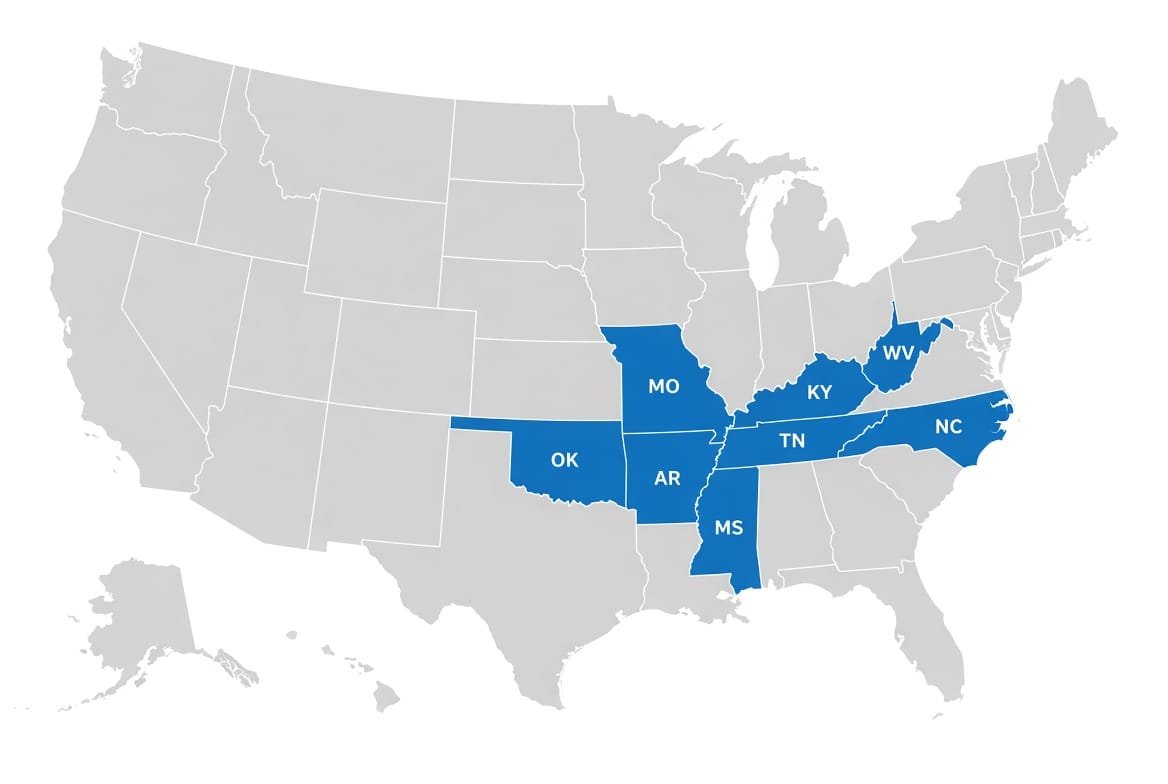
Only after those two do the state questions matter. Will it grow or finish there, without assuming a new irrigation system. Will that state let a small farm make and sell it. Will anyone nearby buy it. Cottage rules are not the same in Missouri, Kentucky, Arkansas, and Mississippi. A jam from a home kitchen in one state can need an inspected kitchen in another. Demand only counts for something I will do, can do, can produce there, and can legally sell.
The $25,000 startup does not include the land. Five years. Mostly family labor. Those sit on top of the questions. They do not answer them.
Each state still in the search gets its own note, in that order. Nothing is ruled out in advance except work I will not do. The land numbers stay on the location post. The house is a different purchase, if I make it at all.
4 thoughts on “How I will choose what the farm sells”